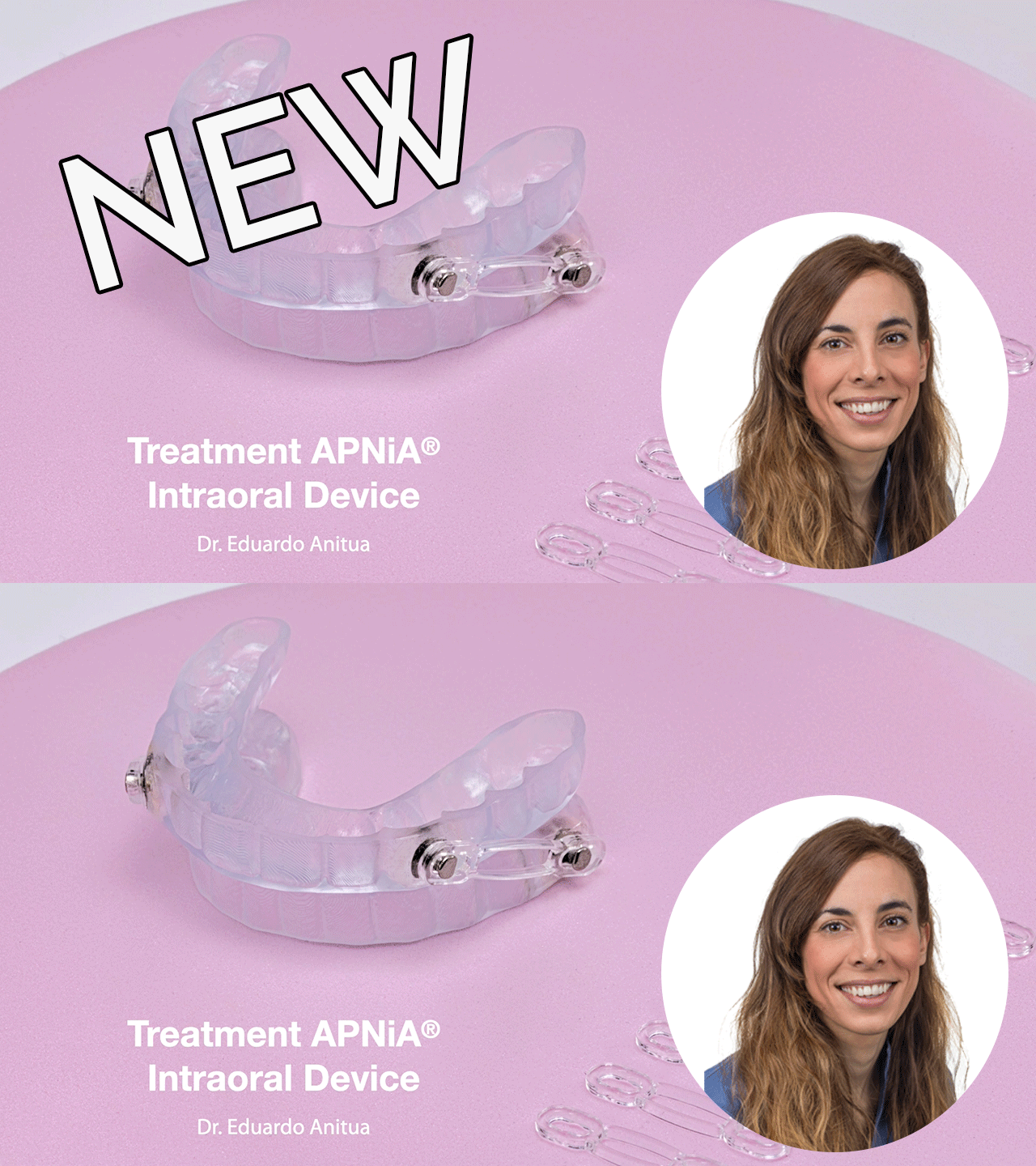
While CPAP is highly effective for severe cases, low patient compliance remains a major obstacle in sleep medicine. Discover how dental sleep medicine offers a highly tolerated, clinically proven alternative that can transform your clinical practice and your patients’ lives.
In this video, we dive deep into the full spectrum of sleep apnea treatments, focusing on how to successfully implement and monitor intraoral devices:
- The Treatment Spectrum: Analyze lifestyle changes (and their quantitative impact on weight loss), CPAP mechanics, and positional anti-supine systems.
- CPAP vs. Oral Appliances: Compare the clinical efficacy and long-term patient adherence of positive pressure systems against mandibular advancement devices.
- The BTI APNiA Philosophy: Learn how avoiding mandibular retrusion (rather than pushing for maximum protrusion) prevents painful side effects while achieving outstanding therapeutic success.
- Traditional vs. Digital Workflows: Take a step-by-step look at conventional lab fabrication versus digital CAD/CAM scanning and 3D printing.
- Clinical Protocols: Master the titration workflow (Types A to D) using respiratory polygraphy to objectively monitor patient improvement.
Watch a real-world case study of a patient with severe bruxism whose sleep apnea was resolved simply by preventing jaw retrusion. Watch the video now to elevate your practice!
Note: The interface and format of the APNiA report may vary depending on the software version used.

Ms. Gabriela Zubimendi
Psychologist in the Sleep Unit of the Eduardo Anitua Clinic, Vitoria-Gasteiz – Spain
Coordinator and sleep technician of the Multidisciplinary Sleep Disorders Unit at the Anitua Dental Clinic. Degree in psychology, specialising in neuropsychology. University of Deusto. Research thesis on cognitive stimulation of working memory in the elderly. University of Deusto. Accredited as “Somnologist Expert in Behavioural Sleep Medicine” by the European Sleep Research Society.
MS. ZUBIMENDI’S FULL RESUME
 Français
 Deutsch
 Italiano
 Português
 Español